Top Factors Households Pick Senior Care Communities for Memory Loss
Business Name: BeeHive Homes of Plainview
Address: 1435 Lometa Dr, Plainview, TX 79072
Phone: (806) 452-5883
BeeHive Homes of Plainview
Beehive Homes of Plainview assisted living care is ideal for those who value their independence but require help with some of the activities of daily living. Residents enjoy 24-hour support, private bedrooms with baths, medication monitoring, home-cooked meals, housekeeping and laundry services, social activities and outings, and daily physical and mental exercise opportunities. Beehive Homes memory care services accommodates the growing number of seniors affected by memory loss and dementia. Beehive Homes offers respite (short-term) care for your loved one should the need arise. Whether help is needed after a surgery or illness, for vacation coverage, or just a break from the routine, respite care provides you peace of mind for any length of stay.
1435 Lometa Dr, Plainview, TX 79072
Business Hours
When memory loss begins transforming a parent's daily life, households typically feel it before they can fully call it. A missed out on expense payment here, a pot left on the stove there, a call from a neighbor that saw something "off." The changes can be small initially, then all of a sudden they are not small in all. That is typically the factor when families begin taking a look at senior care neighborhoods, particularly choices developed particularly for memory care.
For numerous homes, the choice is less about where someone lives and more regarding exactly how to secure an individual's dignity, safety, and quality of life when acquainted routines no more hold. Households do not generally pick memory care since they wish to hand off obligation. They pick it due to the fact that the demands of memory loss at some point outgrow what also a committed family can safely handle at home.

Safety becomes an everyday concern, not a theoretical one
The first reason families turn to senior care areas is commonly one of the most practical: safety. Memory loss can alter judgment, spatial awareness, and the ability to react smoothly in emergencies. A loved one who when managed a home with self-confidence might begin leaving doors open, wandering outdoors at strange hours, failing to remember to switch off the oven, or coming to be disoriented in areas they have actually understood for decades.
At home, households can include locks, tags, alarms, and camera systems, and those tools do aid. But they do not replace human guidance. A child can install a cooktop shutoff tool, yet still fret every single time his mother strolls into the cooking area. A little girl can remind her father not to open the door for unfamiliar people, yet she can not be there every hour of the day. That continuous caution wears individuals down.
Memory care areas are designed to lower those risks in ways that are tough to replicate in a personal home. Guaranteed entries, layout planning that inhibits straying right into harmful locations, personnel that comprehend complication as a signs and symptom as opposed to a problem, and environments with fewer trip risks all matter. Family members typically describe a sense of alleviation the first time they see an area that has currently analyzed the details they have actually been improvising at home.
Familiar routines are easier to maintain with experienced support
Memory loss can make daily life strangely delicate. An individual might still recognize a preferred song, a grandchild's face, or the course to church, yet neglect how to sequence early morning tasks. Obtaining clothed might take an hour. Bathing may cause frustration. Dishes may be avoided since the person no more feels appetite cues at the correct time or can not bear in mind whether they currently ate.
That is where qualified support alters the entire rhythm of the day. In solid memory care programs, team member do not simply "assist." They damage jobs into workable steps, reroute delicately, and maintain the day moving with familiar hints. The value of that support is not just that it obtains points done. It also lowers disappointment. An individual who has repeated losses of control usually comes to be protective, ashamed, or withdrawn. Caring aid can protect dignity where blunt improvement just grows distress.
Families often observe that a loved one that appeared resistant in your home resolves more conveniently in a setting where the expectations correspond. Bath time takes place at the exact same hour. Dishes come with foreseeable times. Medicine is managed. Activities are supplied with adequate structure to be comforting, not frustrating. That predictability can be calming for people coping with memory loss, and it is among the clearest factors families select memory care as opposed to attempting to patch with each other sustain at home.
Social isolation typically discolors in the best setting
One of the hardest components of amnesia is how swiftly it can narrow a person's globe. Buddies stop visiting as typically because discussion obtains challenging. Driving may no more be risk-free. Call can come to be confusing. A person who as soon as thrived on social plans can start spending the majority of the day before a television, not because they choose it, yet because absolutely nothing else feels easy.
Families see the emotional toll of that shrinking. Isolation can show up as irritability, rest changes, uneasyness, or a much deeper sadness that is difficult to separate from the memory problem itself. In most cases, moving to a senior living near me option that includes memory care is not practically supervision. It is about restoring social call in a form the person can tolerate.
The best neighborhoods understand that connection can not be compelled, specifically for locals who end up being overwhelmed by sound or too much stimulation. Instead, they create smaller, a lot more manageable moments of engagement. A resident might not join a complete exercise class, however might delight in folding towels while talking with a caretaker. Somebody who stands up to large team activities may react to an individually discussion over coffee or to songs from their twenties playing softly behind-the-scenes. These minutes appear moderate, yet they matter. They can pull a person back right into connection with the day.
Families need alleviation too, and that is not selfish
Caregiving is typically described in worthy terms, yet the genuine experience is usually much messier. Family members juggle work, children, household duties, and duplicated journeys to visits. Lots of are exhausted long before they admit it. Some begin sleeping with one ear open because they hesitate their loved one will wander. Others are continuously taking call from a parent who is scared, angry, or encouraged they need to "go home" when they are currently home.
This is where respite care becomes more than a valuable phrase. It can be the difference in between keeping a household caregiver afloat and watching them burn out. Temporary remains, whether for a weekend or longer, give family members a chance to rest, travel, recoup from illness, or simply catch up for life that amnesia has swallowed. For some households, respite care comes to be a bridge to a longer-term choice. They discover that their loved one is not just safe in a community, yet in fact doing better.
I have actually seen households wrestle with shame over this for weeks. One adult child kept claiming she "must" have the ability to handle her mother in the house, also while confessing she had actually not had a complete night's sleep in months. Once her mother spent two weeks in a memory care establishing for respite, the little girl realized something vital. Alleviation and love are not revers. Selecting assistance was not a failing of devotion. It was an act of sustainability.
Memory care communities are built for the method memory loss in fact behaves
A lot of individuals imagine memory care as a generic more secure version of senior care, but excellent memory care is a lot more particular than that. It takes into account the actual patterns of cognitive decrease, consisting of complication concerning time, repeated concerns, stress and anxiety in strange environments, and modifications in language or recognition. The setting is intentional because the needs are intentional.
That issues in means family members do not constantly expect. A resident with amnesia might not take advantage of a big, active dining-room if too much noise makes eating hard. Corridor art, lights, and shade contrasts can influence whether a person can browse independently. Staff training shapes whether redirection feels considerate or purchasing from. Also the tone of a discussion matters, since individuals with dementia commonly pick up feeling long before they recognize the words.
Families picking memory care near me typically contrast areas by the noticeable attributes initially, then understand the subtler details matter more. Exactly how does personnel talk with citizens? Do they utilize names? Exist small typical locations for quieter communications? Is the memory care area different sufficient to minimize complication, but still attached to the larger neighborhood so the person does not feel separated? These are the sort of practical questions that disclose whether a location is absolutely created for elder care or simply marketing itself that way.
Better care sychronisation frequently makes life simpler
Memory loss seldom exists in a vacuum cleaner. Many older adults additionally take care of diabetes, cardiovascular disease, arthritis, vision decline, or movement problems. That combination can make home care complicated really quickly. Medicine routines become tough to track. Appointments pile up. Family members are left coordinating with several physicians, pharmacies, therapists, and transportation solutions, typically while trying to make sense of altering symptoms.
Senior care communities can simplify that problem. Not every community takes care of clinical support similarly, and households should constantly ask clear inquiries regarding what is consisted of, but a well-run setup can decrease the number of relocating parts. Drug pointers or administration, communication with wellness suppliers, oversight of everyday routines, and monitoring for modifications in actions can all help capture problems sooner.
That does not imply families end up being much less included. Excellent areas welcome participation, and households should remain involved. However participation becomes different. As opposed to costs every visit troubleshooting a dilemma, family members can invest more time existing. They can rest together, look through old photos, walk, or share a snack. That shift matters. It changes the emotional texture of the relationship.
The best environment can preserve dignity longer than home alone
Families commonly wait since they are afraid that moving a person will certainly remove the little independence they still have. That fear is easy to understand. No one desires a parent to feel exiled from their own life. But the reality is that freedom has already transformed by the time memory loss ends up being dangerous at home. The question is not whether an individual will certainly have support. memory care plainview tx BeeHive Homes of Plainview The concern is what kind of assistance permits them to keep as much identification as possible.
In the appropriate memory care setup, citizens still make choices. They can pick between activities, decide what sweater to put on, select a snack, or sit near a window rather than signing up with a game. Those small options matter because they protect personhood. A thoughtful community does not remove autonomy, it narrows the decisions to ones the resident can really handle with confidence.
Families discover this when they visit. A parent that seemed upset at home may show up a lot more worked out since they are not continuously being fixed or hurried. The staff recognizes how to reroute without suggesting. The atmosphere reduces the number of humiliating moments. For many older adults, self-respect is not located in doing everything alone. It is found in being assisted in manner ins which really feel respectful.
Choosing an area is also concerning fit, not just services
There is no ideal formula for selecting elder care, and households ought to be cautious of places that sound sleek but feel impersonal when you walk through the door. A neighborhood can have all the appropriate words on its web site and still not really feel right in person. The ambience matters. So does the personnel turn over, the means residents are talked with, and whether the location really feels calm or merely controlled.
Families typically know within a couple of mins whether they can imagine their loved one there. They see the scent of the structure, the pacing of the personnel, the sort of songs having fun, and whether residents appear involved or just took care of. These impressions are not unimportant. They are typically much more enlightening than sales brochure language.
When comparing memory care communities, households must focus on how the team handles tough moments. Every area can look good when every person is calm. The genuine examination is exactly how a caregiver responds when a resident is anxious, refuses a shower, or ends up being dismayed at supper. That is where training and temperament reveal themselves.
A short visit can tell you a lot, yet a 2nd visit at a various time of day can inform you more. Early morning and night look various. So can weekdays and weekends. If you are searching for senior living near me alternatives, request for one of the most common variation of the day, not simply the polished tour.
What households are truly looking for
At the heart of all these decisions is a very human concern: just how do we maintain someone secure without eliminating that they are? That is why family members pick memory care. Not since they have actually stopped caring, yet due to the fact that they care sufficient to ask for aid when home is no more enough.
They want fewer emergency situations. They desire their loved one to eat, sleep, and wash with less battle. They desire social get in touch with that does not bewilder. They desire staff who comprehend amnesia without taking it personally. They desire respite care that gives them room to take a breath. They want an area where the person they love can live with a measure of convenience, even as memory changes what comfort looks like.
That choice is hardly ever very easy. It is commonly made after a lengthy stretch of second-guessing, home alterations, family members conferences, and quiet despair. But when families ultimately enter a community that feels right, they often define an unexpected emotion along with the sadness: alleviation. Not because the roadway in advance is basic, but since for the first time in a while, they can see a steadier method forward.
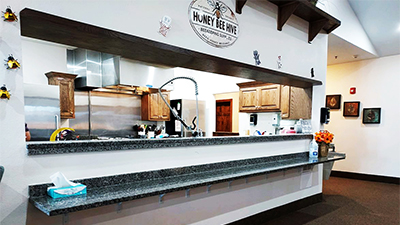
Memory care is not about giving up on somebody. It is about constructing a safer, kinder every day life around the reality of amnesia. For many family members, that is the most caring choice they can make.

BeeHive Homes of Plainview provides assisted living care
BeeHive Homes of Plainview provides memory care services
BeeHive Homes of Plainview provides respite care services
BeeHive Homes of Plainview supports assistance with bathing and grooming
BeeHive Homes of Plainview offers private bedrooms with private bathrooms
BeeHive Homes of Plainview provides medication monitoring and documentation
BeeHive Homes of Plainview serves dietitian-approved meals
BeeHive Homes of Plainview provides housekeeping services
BeeHive Homes of Plainview provides laundry services
BeeHive Homes of Plainview offers community dining and social engagement activities
BeeHive Homes of Plainview features life enrichment activities
BeeHive Homes of Plainview supports personal care assistance during meals and daily routines
BeeHive Homes of Plainview promotes frequent physical and mental exercise opportunities
BeeHive Homes of Plainview provides a home-like residential environment
BeeHive Homes of Plainview creates customized care plans as residents’ needs change
BeeHive Homes of Plainview assesses individual resident care needs
BeeHive Homes of Plainview accepts private pay and long-term care insurance
BeeHive Homes of Plainview assists qualified veterans with Aid and Attendance benefits
BeeHive Homes of Plainview encourages meaningful resident-to-staff relationships
BeeHive Homes of Plainview delivers compassionate, attentive senior care focused on dignity and comfort
BeeHive Homes of Plainview has a phone number of (806) 452-5883
BeeHive Homes of Plainview has an address of 1435 Lometa Dr, Plainview, TX 79072
BeeHive Homes of Plainview has a website https://beehivehomes.com/locations/plainview/
BeeHive Homes of Plainview has Google Maps listing https://maps.app.goo.gl/UibVhBNmSuAjkgst5
BeeHive Homes of Plainview has Facebook page https://www.facebook.com/BeeHivePV
BeeHive Homes of Plainview has an YouTube page https://www.youtube.com/@WelcomeHomeBeeHiveHomes
BeeHive Homes of Plainview won Top Assisted Living Homes 2025
BeeHive Homes of Plainview earned Best Customer Service Award 2024
BeeHive Homes of Plainview placed 1st for Senior Living Communities 2025
People Also Ask about BeeHive Homes of Plainview
What is BeeHive Homes of Plainview Living monthly room rate?
The rate depends on the level of care that is needed. We do an initial evaluation for each potential resident to determine the level of care needed. The monthly rate is based on this evaluation. There are no hidden costs or fees
Can residents stay in BeeHive Homes until the end of their life?
Usually yes. There are exceptions, such as when there are safety issues with the resident, or they need 24 hour skilled nursing services
Do we have a nurse on staff?
No, but each BeeHive Home has a consulting Nurse available 24 – 7. if nursing services are needed, a doctor can order home health to come into the home
What are BeeHive Homes’ visiting hours?
Visiting hours are adjusted to accommodate the families and the resident’s needs… just not too early or too late
Do we have couple’s rooms available?
Yes, each home has rooms designed to accommodate couples. Please ask about the availability of these rooms
Where is BeeHive Homes of Plainview located?
BeeHive Homes of Plainview is conveniently located at 1435 Lometa Dr, Plainview, TX 79072. You can easily find directions on Google Maps or call at (806) 452-5883 Monday through Sunday 9:00am to 5:00pm
How can I contact BeeHive Homes of Plainview?
You can contact BeeHive Homes of Plainview by phone at: (806) 452-5883, visit their website at https://beehivehomes.com/locations/plainview/, or connect on social media via Facebook or YouTube
You might take a short drive to the Jimmy Dean Museum. Jimmy Dean Museum offers a low-impact cultural experience appropriate for assisted living, senior care, elderly care, and respite care visits.